

The Tantric Roots of Modern Yoga
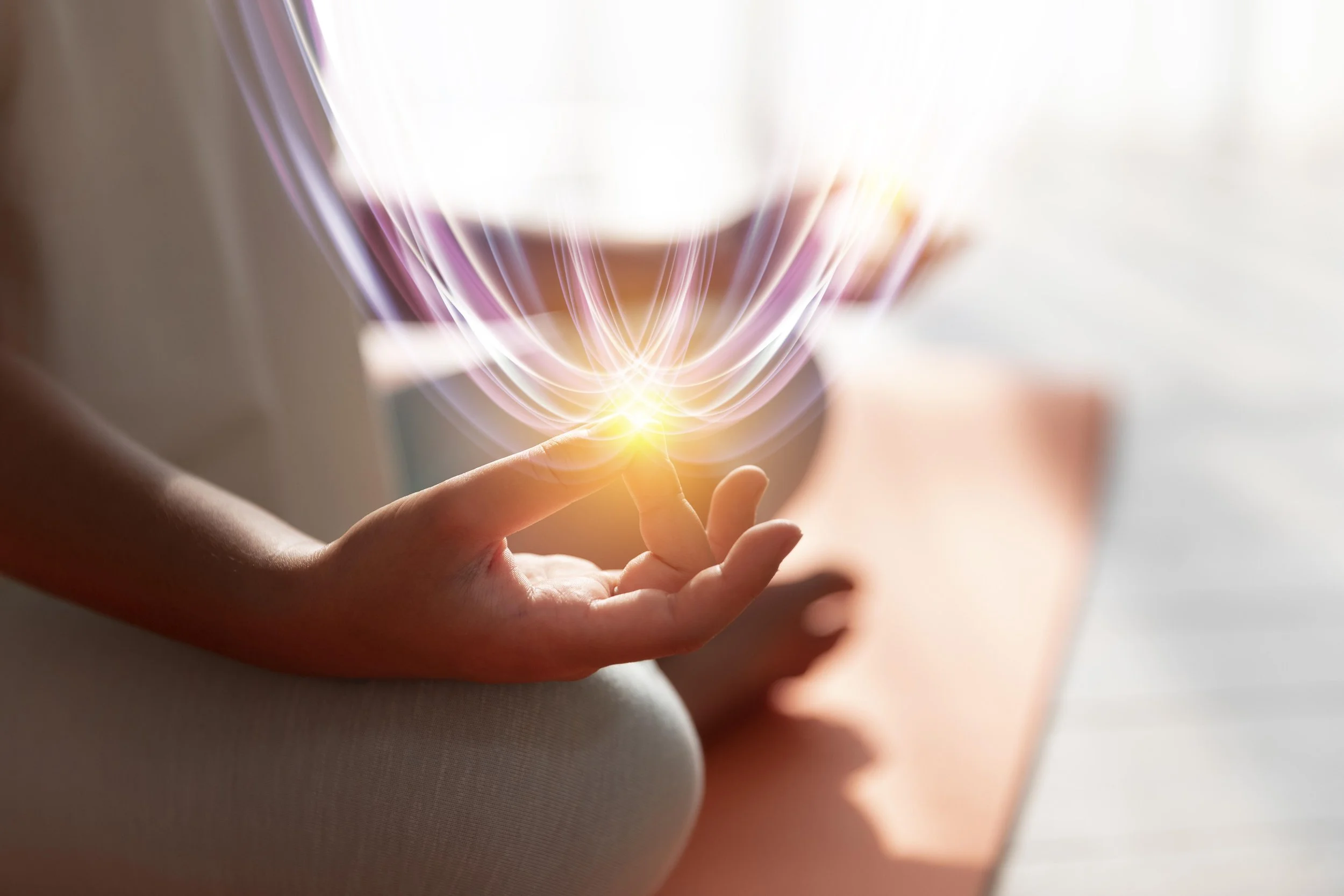
Breath awareness. Meditation. Pranayama. Chakras.
These elements are so familiar within modern yoga that it is easy to assume they have always been part of the tradition.
Yet many of the practices and concepts we associate with yoga today were shaped by the development of Tantric traditions more than a thousand years ago.
Understanding this influence offers valuable context for teachers and practitioners. It helps explain why modern yoga places such emphasis on breath, inner awareness and direct experience.
A Different Relationship with Experience
One of Tantra's most significant contributions to yoga was a different understanding of the relationship between awareness and experience.
Earlier philosophical systems associated with yoga often emphasised detachment from sensory experience. Liberation was sometimes described as recognising the difference between pure awareness and the constantly changing experiences of body and mind.
Tantric traditions explored another direction.
Rather than turning away from experience, practitioners investigated how awareness could deepen through it. The body, the breath and sensory experience became part of the practice itself.
This perspective was rooted in a non-dual understanding of reality. Rather than viewing spirit and matter as fundamentally separate, Tantra saw both as expressions of a single underlying consciousness.
As a result, ordinary experience was not treated as an obstacle to practice. It became a field of exploration.
Breath as a Tool for Practice
This shift had important practical consequences.
Breath became a central focus of practice, as a way of exploring the relationship between body, mind and awareness.
Practitioners observed how changes in breathing influenced attention and perception. Through practices that later became known as pranayama, they investigated how the rhythm and quality of breath affected mental states and concentration.
This helps explain why breath continues to play such a central role in yoga today.
When teachers invite students to coordinate movement with breathing or use the breath as an anchor for attention, they are drawing on principles that were explored within these traditions centuries ago.
The Emergence of the Subtle Body
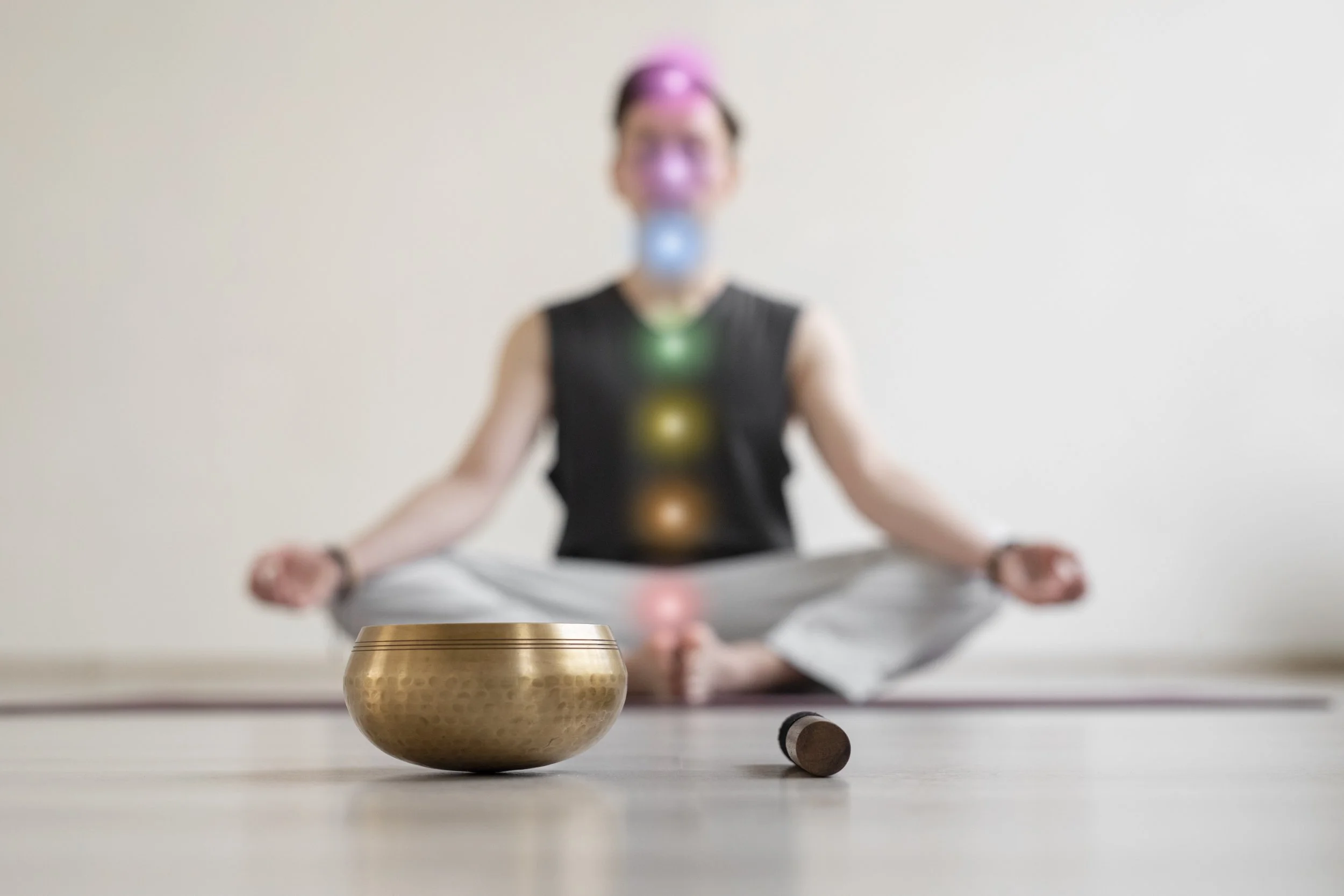
As practitioners worked with breath, meditation and inner awareness, they developed models to describe aspects of their experience.
Concepts such as prana, chakras, vayus and the koshas emerged within this context.
These ideas are sometimes misunderstood through a modern lens. They were not intended as physical anatomy in the scientific sense. Instead, they functioned as maps of experience.
Prana described the movement of life force often associated with breath and vitality. Vayus described different patterns or directions of movement within that energetic system. Chakras were understood as centres within the subtle body associated with different qualities of energy, and often served as focal points for meditation. The koshas offered a framework for understanding different layers of human experience.
Whether approached symbolically, philosophically or experientially, these models helped practitioners make sense of what they observed through practice.
Why Why These Roots Matter
Many practitioners encounter breathwork, meditation and subtle body teachings at different stages of their yoga journey.
Understanding the roots of these practices reveals how closely connected they are.
Within Tantric traditions, these approaches were not separate techniques. They formed part of a broader exploration of experience, one that continues to influence the way yoga is practised today.
Explore These Teachings More Deeply
For teachers and dedicated practitioners interested in exploring these foundations further, studying philosophy, meditation and pranayama can provide valuable context.
Doug Keller’s online module Philosophy, Meditation & Pranayama explores the relationship between Tantric philosophy and contemporary yoga practice. The course offers a practical introduction to the ideas and practices that continue to influence the way yoga is taught and experienced today.
Dates: September 1-2, 8-9, 15-16, & 22 (7 dates total, Tuesdays and Wednesdays)
Times: 18.30-21.30 (Amsterdam local time) each day
Location: This course is 100% Live Online (when you miss a session a recording will be made available)