

Your Nervous System Shapes More Than You Think
Your heart rate changes. Your breath becomes quicker or slower. Your shoulders tense before you even notice it.
The way you experience the world isn't shaped by your thoughts alone. Long before the thinking mind catches up, your nervous system has already begun responding.
Behind these subtle shifts is your nervous system. Quietly working in the background, it helps you navigate everything from a busy morning to an unexpected conversation or a peaceful walk through nature. Every moment, it takes in information from both your surroundings and your body, asking one simple question: How should I respond?
We rarely think about it, yet the nervous system influences far more than moments of stress. It shapes how much energy we have, how deeply we breathe, how easily we concentrate and how quickly we recover after a demanding day.
Your nervous system is constantly interpreting the world
It's easy to imagine the nervous system as something that reacts only when there's a problem. In reality, it's always active.
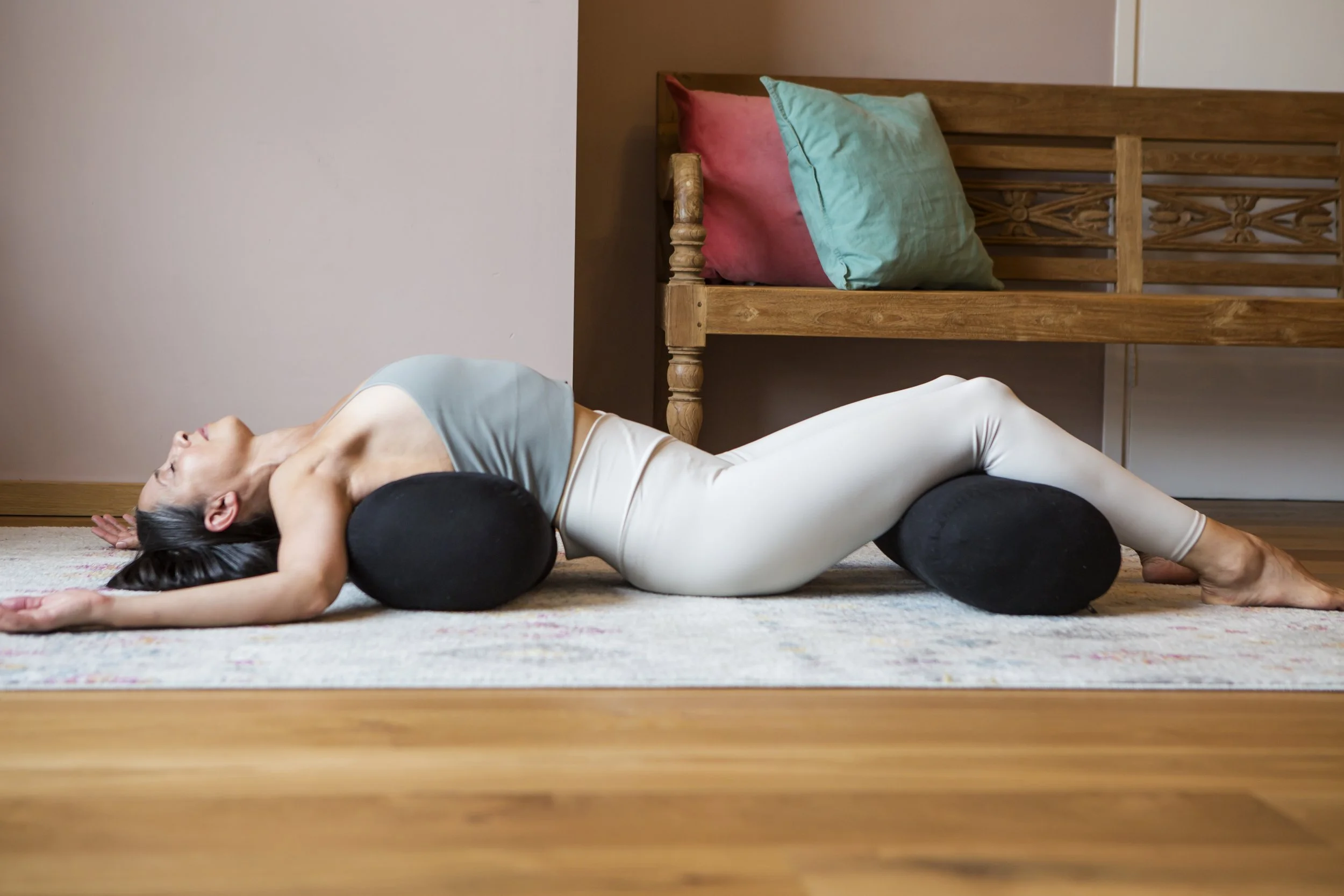
Rather than responding only to what happens, it is continuously interpreting what happens. It scans for subtle cues in our environment, our relationships and our own bodies, asking whether this moment calls for action, rest or something in between. Much of this happens below the level of conscious awareness.
This helps explain why the same situation can feel different from one day to the next. Why one conversation stays with you long after it ends. Or why a deep breath or a walk outside can shift how you feel, even when nothing around you has changed.
Why slowing down isn't always enough
Many of us know the feeling.
You finally arrive on holiday, but your mind keeps racing. You lie down to rest, yet your body still feels alert. You're tired, but relaxing doesn't come naturally.
It's easy to assume we simply need to try harder to unwind. In reality, the nervous system doesn't switch off because we've decided it's time to relax.
Its primary role isn't to keep us calm. It's to help us adapt and protect us. When life has asked a lot of us for an extended period, the body may continue operating in a state of readiness, even after the pressure has passed. This reflects how the nervous system has adapted through experience.
Regulation isn't about being calm
When we hear the term nervous system regulation, it's easy to picture a state of constant relaxation. Yet that's not the goal.
A healthy nervous system isn't one that stays calm all the time. It's one that can respond to what life asks of us, settle when the moment allows and recover afterwards. In other words, regulation is about flexibility.
This is also why relaxation isn't simply something we decide to do. A sense of ease emerges when the nervous system recognises that it no longer needs to stay on guard.
The body learns through experience
We often assume that understanding something will change how we feel.
The nervous system works differently.
It learns through repeated experiences. Every slow exhale, every moment of grounded movement and every opportunity to pause gives the body new information. Over time, these experiences can help restore flexibility, making it easier to move between effort and rest.
This is why body-based practices can be so powerful. They don't ask us to think our way into relaxation. They create experiences that the nervous system can recognise and respond to.
Exploring the nervous system through practice
In recent years, you've probably come across terms such as somatics, embodiment and nervous system regulation. While each approach has its own perspective, they share a common understanding: our experience isn't shaped by the mind alone. The body is an active participant in how we perceive, respond to and move through the world.
The nervous system is always listening, responding and adapting. Becoming aware of that process can change the way we relate to ourselves. Yoga has explored this relationship for centuries. Practices such as movement, breathwork and meditation create space to experience that relationship in a direct and embodied way.
Experience it for yourself
This September, Yoga Moves is offering two opportunities to experience these approaches for yourself.
Sept 6 - Somatic Embodiment & Nervous System Regulationexplores the nervous system through gentle movement and body awareness, inviting you to notice familiar patterns and experience new ways of relating to your body.
Sept 19 - Influence Your Nervous System with Breathwork uses conscious breathing and meditation to create space for presence, regulation and a felt sense of ease.